One of the most common questions families ask before downsizing or selling a longtime home is: what should we actually fix before putting the house on the market? The honest answer is usually less than people think.
Many Colorado homeowners — especially families preparing to transition out of a longtime property — feel overwhelmed by the idea that they need to fully renovate before selling. In reality, the highest-return improvements are often not the flashy ones. And some expensive renovations recover surprisingly little value at resale.
The goal is not making the house perfect. The goal is making smart, strategic decisions that improve marketability, buyer confidence, and overall transition outcomes without wasting time, money, or emotional energy.
Most Longtime Homes Have Layers of Deferred Maintenance
This is completely normal. Homes lived in for 20, 30, or 40 years often accumulate unfinished projects, aging systems, cosmetic wear, outdated finishes, and maintenance items that slowly became easier to postpone. Families frequently feel embarrassed by this — they should not.
What matters is understanding which issues materially affect buyers, which issues affect financing or inspections, and which issues are largely cosmetic noise. Not every imperfection needs to be solved before selling.
The Biggest Mistake Is Often Over-Renovating
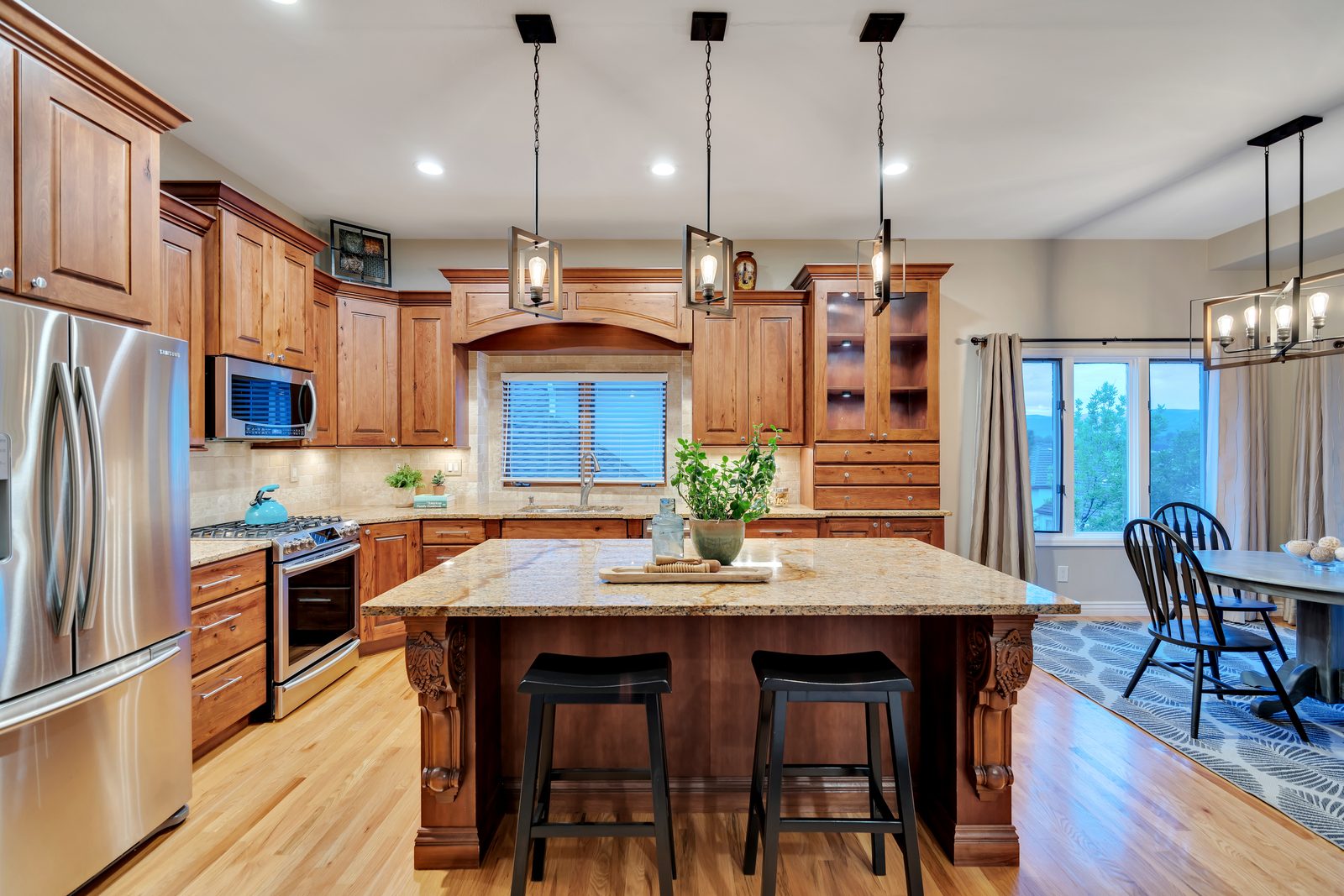
This happens constantly. Families spend $80,000 remodeling a kitchen or $40,000 updating bathrooms — investments that do very little to improve the actual sale outcome. Especially in transitional situations, full-scale renovations often create stress, delays, budget overruns, and construction fatigue. And in many cases, buyers would have preferred making their own design choices anyway.
The highest ROI improvements are usually the ones that improve functionality, reduce buyer concern, and create a cleaner overall presentation — not necessarily luxury upgrades.
The goal is not creating a magazine-worthy renovation. The goal is creating the best transition outcome realistically possible.
Repairs That Usually Matter Most
The repairs that tend to matter most are the ones buyers perceive as expensive, risky, or difficult to solve after closing. That often includes:
- roof problems and active leaks
- sewer or drainage issues
- electrical concerns
- foundation movement
- HVAC failures
- major deferred maintenance on core systems
These are the types of issues that trigger inspection objections, scare buyers, complicate financing, or materially reduce offers. Even if the home is cosmetically dated, buyers generally feel more comfortable when the major systems appear reasonably maintained.
Cosmetic Improvements Can Still Be Valuable
That does not mean presentation is unimportant. Simple cosmetic improvements often provide strong returns because they improve first impressions, emotional response, and perceived care of the property. That may include paint, lighting, flooring updates, landscaping cleanup, decluttering, hardware replacement, or deep cleaning.
These improvements are usually faster, cheaper, and less disruptive than major renovations — and they often have a disproportionate impact on how buyers experience the home.
Buyers Notice Consistency
One thing experienced buyers pick up on quickly is inconsistency. A beautifully remodeled kitchen next to heavily deferred maintenance elsewhere, or luxury finishes paired with original failing systems, can create skepticism. Homes tend to perform better when the condition feels coherent and honest — even if the finishes are not brand new.
Buyers generally tolerate older finishes, modest updates, or dated aesthetics better than they tolerate uncertainty.
Sometimes Selling As-Is Is the Right Decision
Not every family should renovate before selling. In some situations — especially when the home requires major work, the family feels emotionally exhausted, or the transition timeline is compressed — selling the property as-is may create the best overall outcome. That does not necessarily mean accepting a bad price. It simply means understanding what the market realistically expects, which buyers are likely candidates, and how to position the property strategically.
Sometimes preserving energy and simplifying the process matters more than squeezing out every last dollar.
Emotional Overwhelm Is Real
Families often underestimate how emotionally difficult preparing a longtime home for sale can become. The process frequently involves decades of belongings, memories, maintenance decisions, family coordination, and pressure around doing everything right. That can create paralysis.
One of the most helpful shifts families can make is stopping viewing the process as "perfectly renovating the home" and instead focusing on safety, functionality, presentation, and practical decision-making.
Most longtime homes do not need to become fully renovated showpieces before selling. They simply need a thoughtful strategy — one that balances practicality, emotional bandwidth, cost, timing, and realistic market expectations. For some families, that means modest improvements. For others, it means addressing key systems. And for some, it means simplifying the process and selling as-is.