For many Colorado families, this is the central housing question: should we modify the current home and stay — or move to something that works better long-term? There is rarely an obvious answer. Both paths can make sense. Both come with tradeoffs. And both involve far more than finances alone.
For some families, aging in place provides stability, familiarity, and independence. For others, downsizing earlier creates simplicity, flexibility, and a much better long-term lifestyle. The challenge is that many families wait until a crisis forces the decision — when the best options may already be gone.
What Aging in Place Actually Means
Aging in place simply means adapting a current home to remain livable and functional as physical needs change over time. That can involve accessibility improvements, safer bathroom configurations, reducing stair usage, improving lighting, minimizing maintenance demands, or restructuring parts of the home for long-term usability.
For many homeowners who have lived in the same property for decades, remaining in the home feels emotionally important. The home represents familiarity, independence, memories, neighborhood connection, and comfort. That emotional value matters and should not be dismissed casually.
When Aging in Place Makes Sense
In some situations, staying in the current home is clearly the best path. Homes that often support aging in place more successfully include:
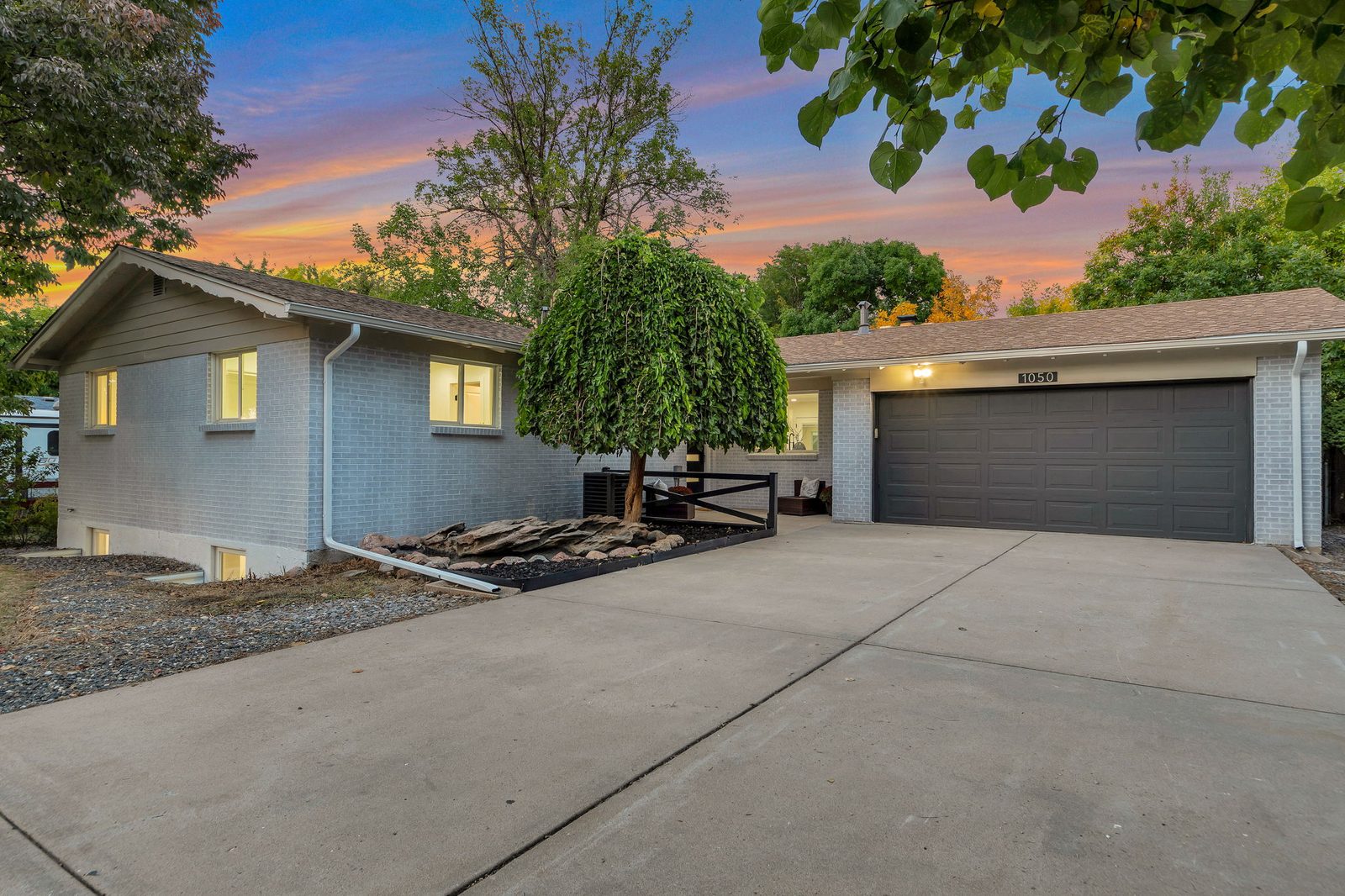
- ranch-style homes with minimal stairs
- properties with main-floor primary bedrooms
- newer homes with lower maintenance burdens
- homes already near family and healthcare support
Aging in place may also make strong financial sense when the mortgage is low or paid off, property taxes remain manageable, renovation needs are limited, and the home still functions well physically. In these situations, modest upgrades can sometimes dramatically improve long-term livability without requiring a move.
The Reality Many Families Avoid
The difficult part is that some homes become increasingly impractical long before families fully acknowledge it. This is especially common in older two-story homes, houses with difficult stair layouts, large properties with heavy maintenance, homes with inaccessible bathrooms, or properties requiring ongoing physical upkeep.
Often the issue is not one dramatic problem. It is the accumulation of friction: laundry becoming harder, carrying groceries upstairs, yardwork becoming exhausting, maintenance constantly piling up.
Many families normalize these challenges gradually instead of evaluating whether the home still realistically supports the next phase of life.
Why Downsizing Earlier Often Creates Better Outcomes
One of the biggest misconceptions about downsizing is that it represents a loss of independence. In reality, proactive downsizing often preserves independence longer. Families who transition earlier usually have more housing choices, less stress, better financial flexibility, and more control over timing.
Instead of making reactive decisions after a health event, they can evaluate options thoughtfully. In Colorado, many families eventually move toward ranch homes, lock-and-leave properties, elevator-access condos, smaller low-maintenance homes, or homes closer to children and support systems. The goal is not simply "less house." The goal is reducing the physical, financial, and logistical burden while improving long-term quality of life.
Renovation Costs vs. Relocation Costs
Families sometimes assume renovating will automatically be cheaper than moving. That is not always true. Depending on the property, aging-in-place modifications can involve bathroom reconfigurations, accessibility upgrades, stair solutions, layout changes, exterior modifications, and significant construction costs.
At the same time, moving involves transaction costs, emotional disruption, market timing, and potentially higher monthly housing expenses. The right answer usually comes from comparing the full picture side-by-side rather than assuming one path is automatically better.
There Is Also a Lifestyle Question
Sometimes families focus entirely on whether the home can physically work while overlooking whether the lifestyle still works. Questions worth asking include:
- Is the current location still convenient?
- Is isolation becoming a concern?
- Is driving becoming harder?
- Does maintaining the property create stress?
- Are family support systems nearby?
A home can technically remain functional while still no longer supporting the lifestyle someone actually wants moving forward.
There is no universal "correct" answer between aging in place and downsizing. The goal is understanding the options clearly before urgency removes flexibility — and starting that conversation while there is still time to choose thoughtfully.