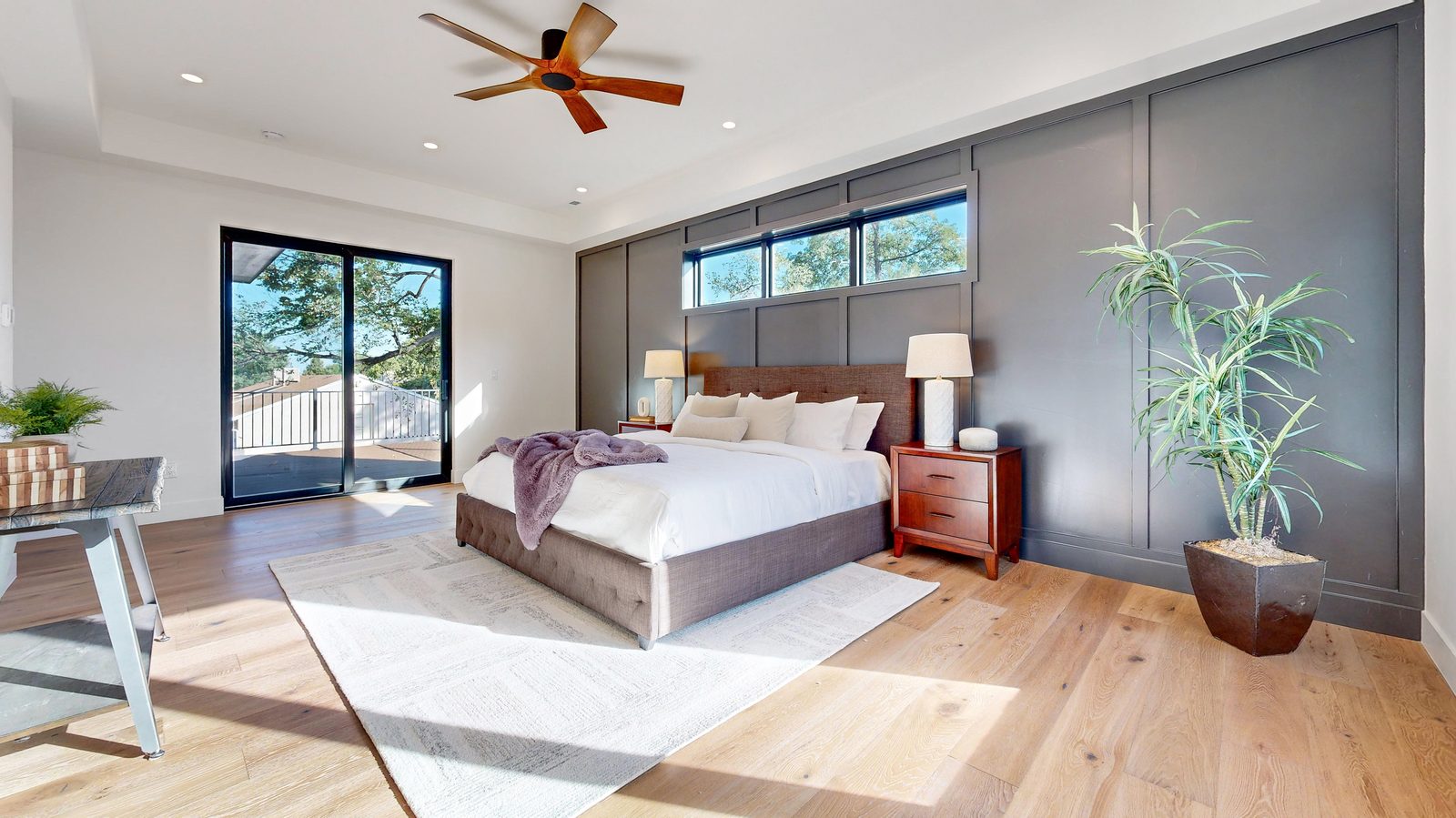
For many Colorado families, the conversation begins with a practical question: would it make more sense to modify the current home — or just move to a property that already works better?
At first glance, renovating often feels like the easier answer. The home is familiar. The neighborhood is familiar. The mortgage may be manageable. Emotional attachment runs deep. And avoiding a move sounds appealing. But once families begin evaluating what meaningful aging-in-place renovations actually involve, the decision often becomes more complicated.
In some situations, renovating the current home is absolutely the right path. In others, moving earlier may create a dramatically better long-term outcome — financially, physically, and emotionally. The key is evaluating both paths honestly before urgency forces the decision.
Most Homes Were Not Designed for Aging in Place
Many homes throughout Golden, Applewood, Wheat Ridge, Lakewood, Arvada, and the Denver metro were designed around an entirely different stage of life — raising children, maximizing square footage, entertaining, or accommodating growing families. Long-term accessibility was rarely part of the original design.
As a result, many older homes eventually create challenges involving stairs, bathroom accessibility, narrow hallways, elevation changes, laundry placement, exterior maintenance, and difficult daily functionality. The question is not whether modifications are possible. The question is whether they make practical and financial sense relative to the alternatives.
What Aging-in-Place Renovations Often Include
The scope varies dramatically depending on the home and the family's long-term goals. Some projects are relatively modest:
- grab bars and improved lighting
- handrails and flooring adjustments
- safer bathroom fixtures
Other projects become significantly more involved: converting rooms into main-floor bedrooms, adding bathrooms, widening doorways, reconfiguring kitchens, modifying entries, or reducing stair dependence entirely. In two-story homes, families sometimes explore main-floor suite additions, chair lifts, elevators, or major structural layout changes. At that point, renovation costs can escalate quickly.
Renovating Is Often More Expensive Than Families Expect
Construction projects almost always involve more complexity than anticipated — especially in older homes. Costs can increase because of electrical upgrades, plumbing changes, permitting, structural modifications, drainage issues, or hidden deferred maintenance uncovered during construction.
Unlike cosmetic renovations, aging-in-place modifications are often highly functional rather than highly visible — families may invest significant money into improvements that do not proportionally increase resale value.
That does not mean the renovations are a bad idea. It simply means the decision should be evaluated strategically, not emotionally.
Sometimes the Better Solution Is a Different House
In some situations, the cost and disruption of modifying the current home may exceed the practical benefit of simply transitioning into a better-fit property. A ranch home, patio home, or lower-maintenance property may already provide better accessibility, simpler layouts, reduced maintenance, proximity to family, and improved long-term livability — without requiring major construction.
For some homeowners, downsizing earlier also reduces physical stress, financial uncertainty, and the burden of managing ongoing projects later in life. The goal is not simply avoiding a move. The goal is improving long-term quality of life.
Emotional Attachment Is Real — and Important
This is never purely a financial decision. For many families, the current home represents decades of memories, routines, and emotional stability. The conversation should never be framed as "you need to leave." Instead, the better question is: what housing situation best supports the next phase of life realistically and sustainably?
Sometimes that answer is staying put with thoughtful modifications. Sometimes it is transitioning proactively before the home becomes physically or financially overwhelming.
The Best Decisions Usually Compare Both Paths Side-by-Side
One of the biggest mistakes families make is emotionally committing to one option before evaluating the other. The healthiest process is usually comparing renovation costs, long-term functionality, maintenance burden, resale implications, alternative housing options, neighborhood fit, and future flexibility side-by-side.
Timing matters too — housing transitions become dramatically harder once urgency enters the picture. Exploring possibilities early creates time to think clearly while multiple good options still exist.
The right housing decision is usually the one that creates the most safety, the most flexibility, the least long-term stress, and the best overall quality of life moving forward. For some Colorado families, that means thoughtfully renovating a longtime home. For others, it means transitioning into a property better aligned with the next stage of life.