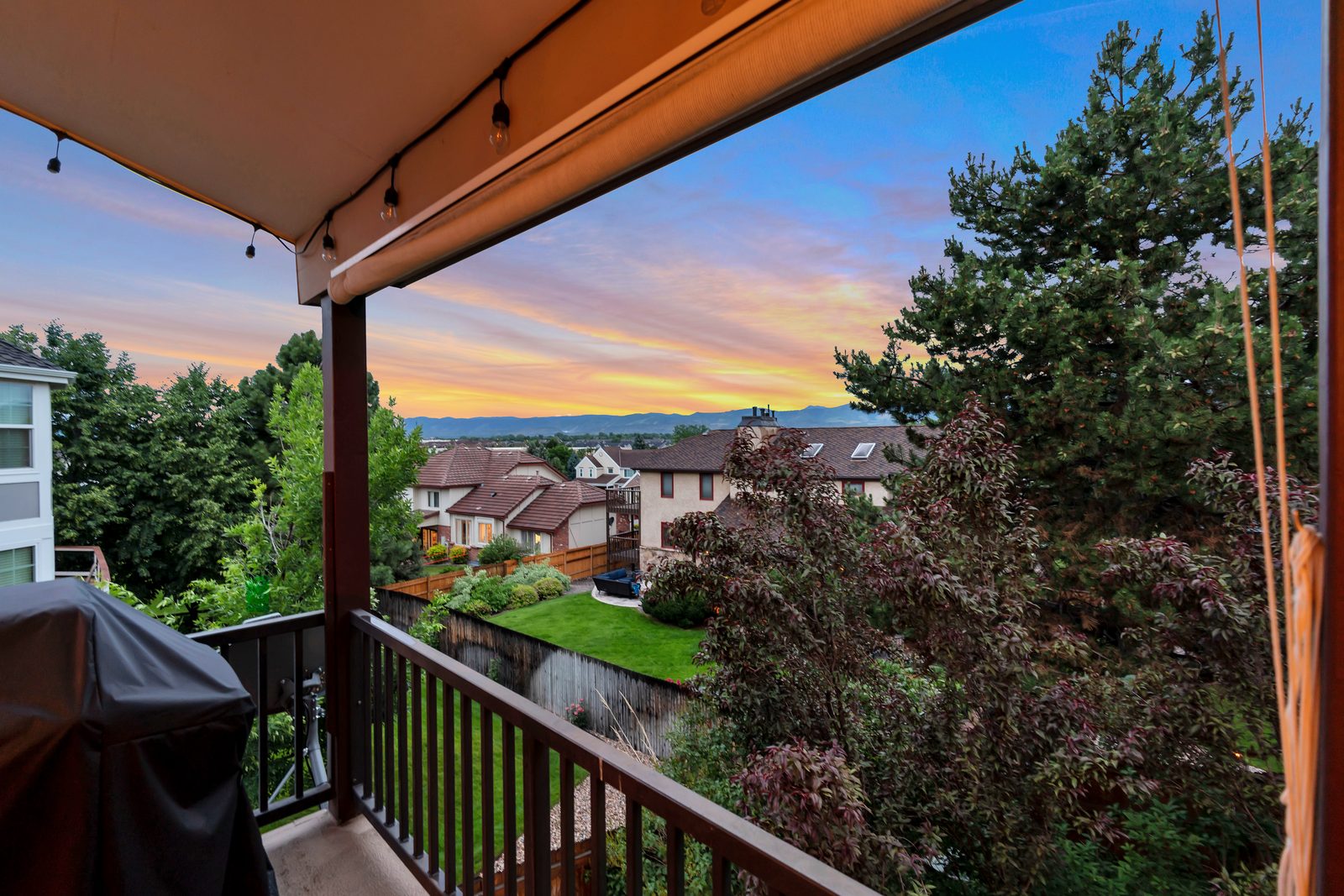
For many Colorado families, this conversation starts quietly. Maybe the stairs are becoming harder. The yard feels like more work than it used to. Maintenance projects keep piling up. A once-comfortable home slowly starts creating stress instead of stability.
But even when everyone recognizes the challenges, deciding what to do next is rarely simple. Should aging parents stay in the home they love and modify it over time? Or is it smarter to downsize before a health event or family crisis forces the decision?
The answer depends on far more than age alone.
The Emotional Reality of the Decision
A longtime family home is rarely just a piece of real estate. In neighborhoods across Golden, Applewood, Wheat Ridge, Lakewood, and Arvada, many older homeowners have lived in the same property for decades. The home often represents:
- stability and independence
- decades of memories
- personal identity and routine
- deep connection to community
That emotional attachment matters. Families sometimes make the mistake of treating the conversation like a purely financial decision when it is also deeply personal. The goal is not simply to "downsize." The goal is to create a living situation that supports safety, quality of life, and long-term flexibility without creating unnecessary disruption.
When Staying in the Home Still Makes Sense
In many situations, remaining in the current home can absolutely be the right decision — especially if the home already supports aging reasonably well. Homes that often work better long-term include:
- ranch-style layouts with minimal stairs
- homes with main-floor primary bedrooms
- newer homes requiring less maintenance
- properties located close to family and community support
Sometimes relatively modest improvements can dramatically improve long-term livability: grab bars, walk-in showers, better lighting, wider doorways, or reducing exterior maintenance burdens. In these cases, aging in place may preserve independence while avoiding the emotional and logistical strain of a move.
But families should also be realistic about what the home will require five or ten years from now — not just today.
The goal is not simply "downsizing." The goal is creating a living situation that supports safety, quality of life, and long-term flexibility.
Signs the Home May No Longer Be the Right Fit
The challenge is that many families wait until a health event forces the conversation. At that point, options become more limited and decisions become more reactive. A home may no longer be the best long-term fit when:
- stairs are becoming unsafe or exhausting
- deferred maintenance continues to pile up
- isolation is increasing as mobility changes
- driving is becoming difficult or unreliable
- unused rooms dominate most of the house
- the physical and financial burden is creating ongoing stress
Large two-story homes can become especially difficult over time, particularly when laundry is downstairs, primary bedrooms are upstairs, or exterior upkeep becomes physically demanding. Sometimes the issue is not the house itself — it is the amount of energy required to maintain it.
Why Downsizing Earlier Often Creates Better Options
One of the biggest misconceptions about downsizing is that it means "giving up." In reality, proactive downsizing often creates more freedom, not less. Families who make the transition earlier usually have more housing choices, better financial flexibility, more time to prepare the home properly, and far less stress during the transition.
They can evaluate options carefully instead of making rushed decisions during a crisis. In Colorado, many families eventually transition toward ranch homes, lock-and-leave properties, smaller maintenance-friendly homes, condos with elevator access, homes closer to adult children, or multigenerational living arrangements. The earlier those conversations happen, the more intentional the outcome tends to be.
The Financial Side Matters Too
For some families, remaining in a longtime home with a low mortgage and manageable property taxes may still make strong financial sense. For others, the home may contain substantial equity that could reduce monthly expenses, help fund future needs, support a move closer to family, or improve overall lifestyle flexibility.
The key is evaluating the full picture: renovation costs, maintenance burden, future accessibility needs, resale timing, neighborhood trends, and long-term practicality. Sometimes renovating the current home is clearly the better move. Sometimes relocating is. Often the answer becomes clearer only after comparing both paths side-by-side.
There Is Rarely One Perfect Answer
Most families hope there will be one obvious "correct" decision. Usually there is not. There are simply tradeoffs: familiarity versus simplicity, emotional attachment versus practicality, staying put versus planning ahead.
The goal is not perfection. The goal is understanding the options clearly before urgency removes flexibility.
The best housing transition decisions are usually made before a crisis forces them. Starting the conversation early — before anything becomes urgent — creates more options and better outcomes for everyone involved.