For many Colorado families, the conversation starts with a simple idea: what if Mom or Dad lived nearby instead of across town? Not in the main house. Not in a traditional care setting. But close enough to support independence, family connection, and practical day-to-day help when needed.
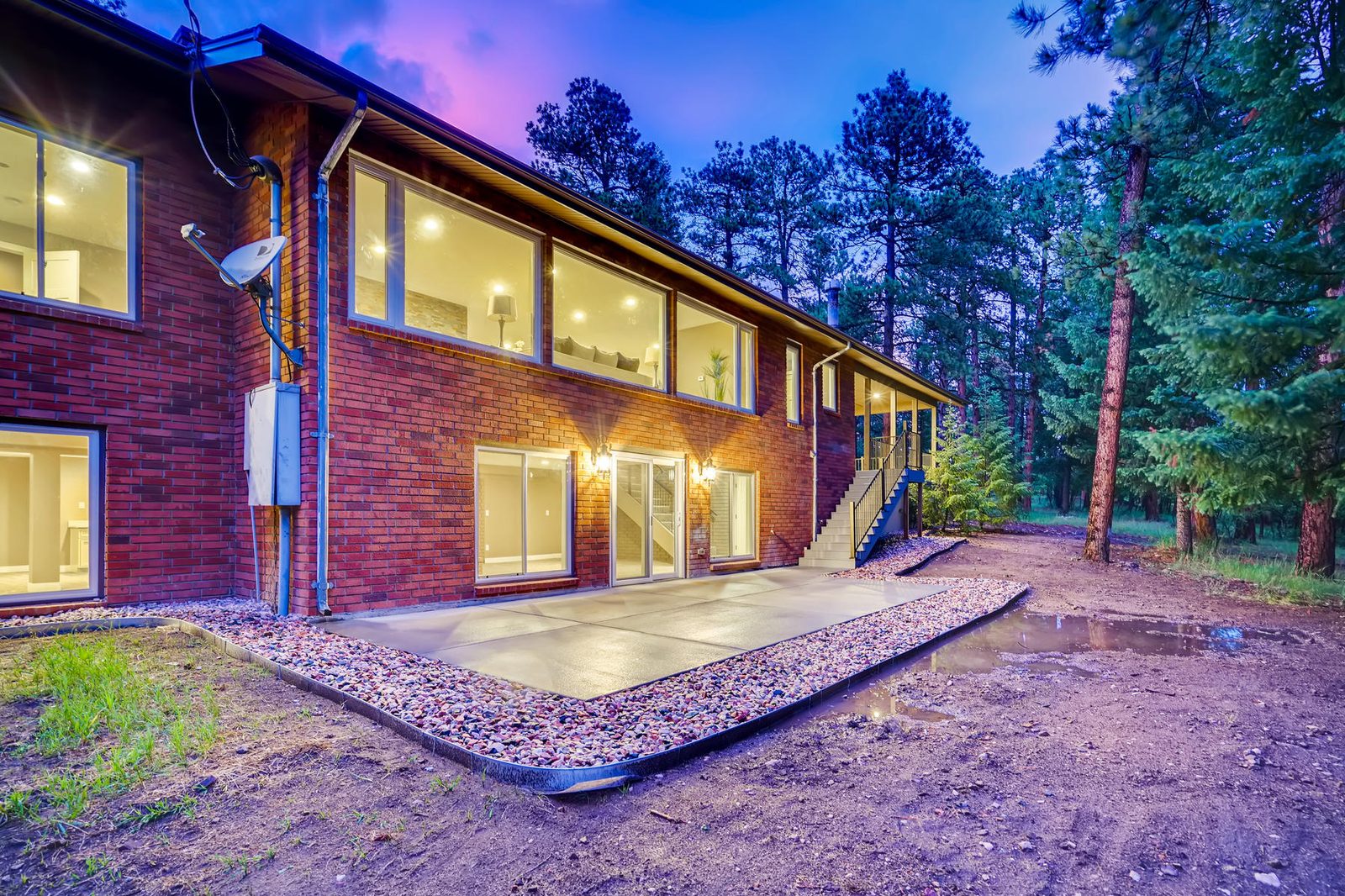
That is one reason Accessory Dwelling Units — commonly called ADUs — have become such a major topic in Colorado housing conversations. An ADU can take several forms: a small detached backyard home, a garage apartment, a walkout basement conversion, an attached guest suite, or a separate living space integrated into the property.
For some families, an ADU creates an ideal middle ground between complete independence and full multigenerational living. But while the concept sounds simple, the reality is often more complicated than people expect.
Why Families Are Exploring ADUs
The appeal is understandable. Many families are trying to solve several challenges at once:
- keeping aging parents close without full cohabitation
- preserving independence and personal routine
- avoiding isolation without institutional arrangements
- reducing long-term housing costs for the family
- creating flexibility as family support needs evolve
Instead of uprooting parents completely, families may be able to create proximity without full cohabitation, privacy without separation, and support without institutional living. For adult children, the arrangement can also reduce the stress of long commutes or coordinating support from a distance.
The Emotional Side Matters More Than People Expect
One thing families often underestimate is how emotionally important independence remains. Many aging parents do not want to feel like they are "moving in with their children." An ADU can help preserve autonomy, dignity, routine, and personal space — while still improving proximity and family support.
In well-designed situations, everyone benefits from clearer boundaries — separate kitchens, separate entrances, private living areas, and the ability to spend time together intentionally rather than constantly.
That separation is often what makes multigenerational arrangements sustainable long-term.
Not Every Property Works for an ADU
This is where many families run into reality. Just because an ADU sounds like a good idea does not mean a property can easily support one. Important factors include:
- zoning and local regulations
- lot size and setback requirements
- utility access and infrastructure
- parking requirements
- topography and site conditions
- HOA restrictions if applicable
In areas like Lakewood, Arvada, Wheat Ridge, Golden, and Denver, ADU rules continue evolving — but every municipality still has its own regulations and constraints. That is why feasibility should be evaluated carefully before families emotionally commit to the idea.
Construction Costs Are Usually Higher Than Expected
Many people imagine ADUs as relatively inexpensive backyard cottages. In practice, fully permitted ADU projects can become significant construction undertakings involving utilities, excavation, drainage, engineering, permitting, foundation work, and site access challenges.
Costs vary dramatically depending on detached versus attached design, site conditions, finishes, infrastructure requirements, and local regulations. For some families, the numbers work extremely well compared to alternative housing costs. For others, renovating the existing home or purchasing a different property may create a better long-term outcome. The important thing is comparing the real costs honestly.
ADUs Work Best When the Family Dynamics Work
The property itself is only part of the equation. Families should also think carefully about privacy expectations, caregiving responsibilities, financial contributions, future ownership questions, and what happens if family support needs increase significantly later. An ADU can improve proximity, but it does not automatically solve family coordination challenges. The healthiest arrangements are usually the ones where expectations are discussed clearly upfront rather than assumed.
Sometimes the Better Solution Is a Different Property Entirely
One of the most common outcomes of these conversations is realizing that forcing an ADU onto the wrong property may not be the best answer. In some situations, families discover it makes more sense to purchase a ranch home nearby, combine households differently, buy a purpose-built multigenerational property, or relocate closer together entirely.
The goal is not simply building an ADU. The goal is creating a housing arrangement that realistically supports the family for the next phase of life. Sometimes that involves construction. Sometimes it does not.
Like many housing transitions, ADU conversations become much harder when they happen during a crisis. The families who navigate these situations best are usually the ones who begin exploring options early — before mobility becomes severely limited, before family support needs escalate, and before decisions are forced by urgency. That creates time to evaluate zoning, financing, construction feasibility, family logistics, and long-term practicality carefully.