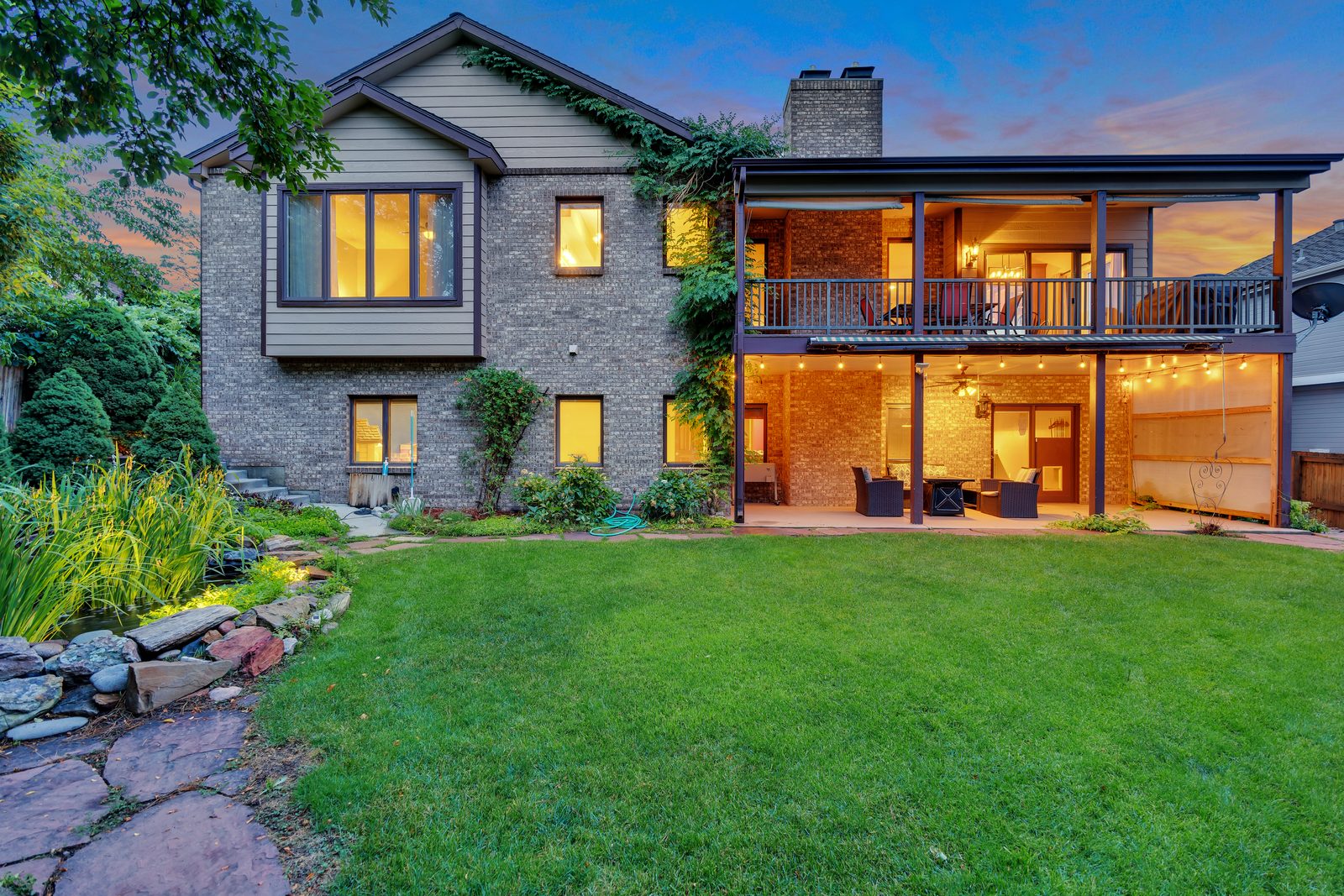
For many Colorado families, the answer is uncomfortable — because the home still mostly works. The stairs are manageable, for now. The bedrooms upstairs are familiar. The yard still gets maintained. Nothing feels urgent yet.
But over time, many families begin quietly asking the same question: at what point does a two-story home stop being practical for long-term living?
In neighborhoods throughout Golden, Applewood, Wheat Ridge, Lakewood, Arvada, and across the Denver metro, thousands of families are living in homes they purchased decades ago — homes that made perfect sense while raising children, building careers, and hosting busy family life.
The challenge is that homes designed for one stage of life do not always work well for the next one. And most families wait too long to evaluate that honestly.
The Problem Usually Builds Gradually
Very few people wake up one day and suddenly decide their house no longer works. Instead, the issues tend to build slowly over time:
- stairs become more tiring
- carrying laundry gets harder
- maintenance starts feeling overwhelming
- unused rooms sit empty
- parts of the home become increasingly underutilized
Many older two-story homes also have layouts that become less practical with age: primary bedrooms upstairs, laundry downstairs, narrow bathrooms, multiple elevation changes, difficult exterior upkeep, steep driveways, or large yards requiring constant maintenance.
Individually, none of these problems may feel serious. Together, they often create a home that quietly becomes harder to live in every year.
The Biggest Risk Is Waiting for a Crisis
Most housing transitions do not happen proactively. They happen after a fall, a hospitalization, a mobility change, loss of a spouse, or a sudden increase in family support needs.
At that point, families are often forced into reactive decisions with limited time and fewer housing options.
The best transition decisions are usually available before the situation becomes urgent. Urgency tends to reduce flexibility. Planning restores it.
When families evaluate options early, they have time to compare neighborhoods, evaluate renovation costs, explore ranch-style alternatives, coordinate timing, prepare the current home properly, and make decisions thoughtfully instead of emotionally.
Sometimes the Right Answer Is Staying Put
A two-story home does not automatically mean someone needs to move. In some situations, the better solution may be modifying the existing home rather than relocating.
That can include:
- creating main-floor living capability
- converting an office into a bedroom
- adding a bathroom or walk-in shower
- improving lighting and safety
- reducing exterior maintenance demands
For families with strong emotional attachment to the home, aging in place can absolutely make sense — especially if the location still works well, the home is financially manageable, and modifications are realistically achievable.
The important thing is evaluating the home honestly based on future functionality, not just present familiarity.
When Downsizing Starts Making More Sense
At a certain point, many families realize they are maintaining far more house than they actually use. That realization often shifts the conversation.
Downsizing is not necessarily about moving into a dramatically smaller home. Often it simply means transitioning into a property better aligned with long-term livability.
In Colorado, that frequently means:
- ranch homes
- low-maintenance patio homes
- lock-and-leave properties
- elevator-access condos
- homes closer to family
- or multigenerational living arrangements
The goal is not simply reducing square footage. The goal is reducing friction. A well-designed ranch home with better accessibility and lower maintenance can dramatically improve day-to-day quality of life while also reducing long-term risk.
The Financial Side Matters Too
Many longtime homeowners are sitting on substantial equity. That creates opportunities — but also important decisions.
Families often need to compare:
- renovation costs
- ongoing maintenance expenses
- future accessibility modifications
- resale timing
- alternative housing costs
Sometimes staying in the home is financially smarter. Sometimes selling earlier preserves more equity and creates more flexibility long-term. The key is evaluating the entire picture instead of making decisions emotionally or reactively.
The Best Time to Evaluate Options Is Earlier Than Most Families Think
One of the biggest mistakes families make is assuming the conversation can wait indefinitely because things are still mostly fine.
But housing transitions become dramatically easier when they happen proactively. That does not mean rushing into a move. It simply means understanding what the current home realistically supports, what modifications would cost, what alternative housing options exist, and what path creates the most flexibility moving forward.
Because once a crisis forces the decision, the conversation changes entirely.
Most families already sense when a home is becoming harder to manage. The challenge is that acknowledging it is emotionally difficult. Starting the conversation early — before anything becomes urgent — usually creates more options and better outcomes for everyone involved.